Treated by Dr. Ramanjanyalu at Dr Rams Skin Remediez
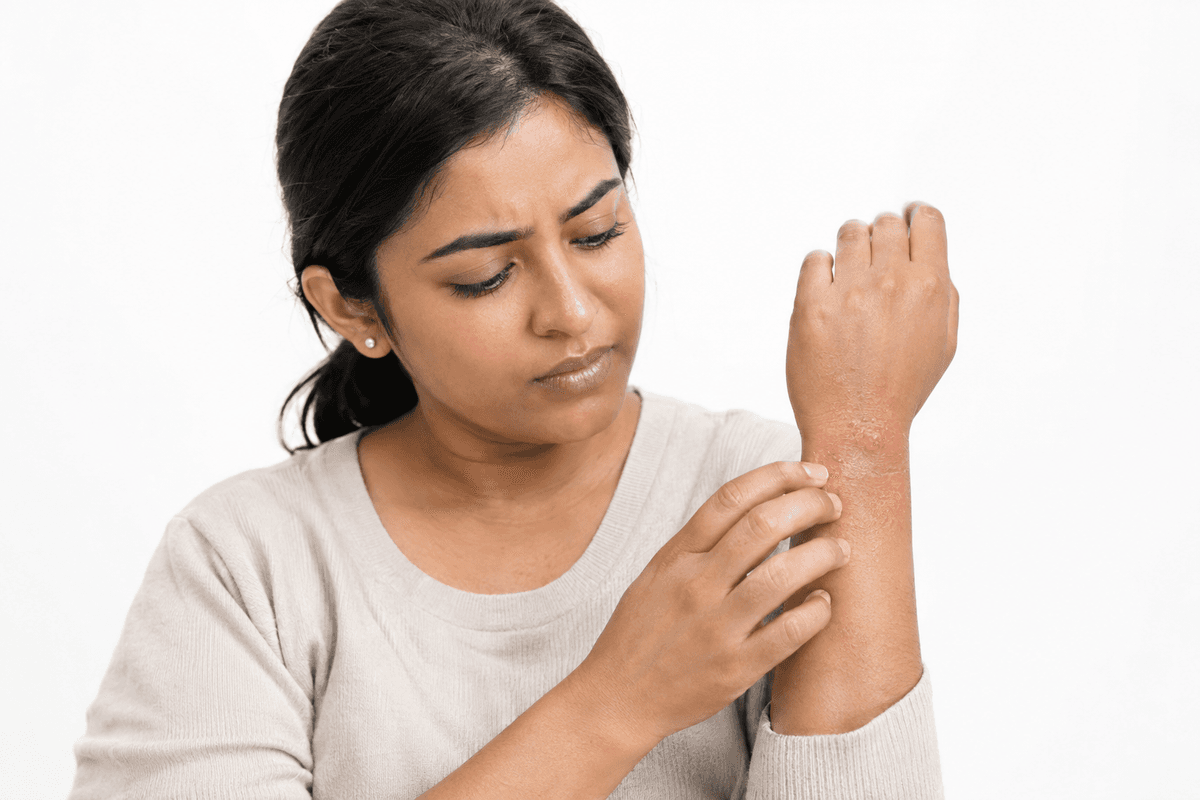
Eczema, also called atopic dermatitis, is a chronic condition that makes the skin inflamed, itchy, and dry. It often appears as red, scaly patches that can crack and weep. Dr Ramanjanyalu at Dr Rams Skin Remediez helps patients in Kasturi Nagar manage eczema through personalised assessment and treatment plans tailored to individual needs.
The most common form, often starting in childhood and linked to a family history of allergies, asthma, or hay fever. It typically affects the folds of skin.
Caused by direct contact with irritants or allergens such as soaps, metals, or chemicals. The rash appears where the skin touched the trigger.
Characterised by small, itchy blisters on the palms, fingers, or soles of the feet. It may worsen with stress or exposure to certain metals.
Multiple factors can contribute to the development and progression of this condition.
Recognising the signs early gives you more treatment options.
Eczema is usually diagnosed through clinical history and skin examination. The doctor will ask about symptoms, family history, and potential triggers. Patch testing or skin biopsy may occasionally be needed to rule out other conditions, though most patients do not require additional tests.
From conservative to surgical — we always start with the least invasive option first.
A structured, patient-first approach from first visit to full recovery.
The consultation begins with understanding your symptoms, family history, and potential triggers. The doctor examines affected areas and discusses the pattern of flares to identify contributing factors.
Based on the severity and location of eczema, a tailored approach is developed. This includes guidance on skincare routines, appropriate medications, and strategies to avoid known triggers.
Patients receive clear instructions on how to apply treatments, recognise flare-ups early, and make lifestyle adjustments. Understanding eczema management helps improve long-term control.
Regular reviews allow the doctor to monitor progress, adjust medications if needed, and address any new concerns. Management is adapted based on how the skin responds over time.
What to expect at each phase of recovery.
The first weeks focus on reducing active inflammation and itching with prescribed treatments. Improvement varies by individual, and consistent skincare is essential during this phase.
Once flares settle, ongoing moisturising and trigger avoidance help keep the skin stable. Mild treatments may be continued as needed to prevent recurrence.
Eczema is typically a chronic condition requiring ongoing care. Many patients learn to manage flares effectively with a routine that adapts to changing needs and seasons.
Good management can significantly reduce itching, dryness, and inflammation, improving comfort and sleep. However, some sensitivity may persist even with treatment.
Identifying and avoiding triggers, combined with consistent skincare, can help decrease the number and severity of flare-ups. Complete prevention may not always be possible.
With time and adherence to treatment, skin texture and appearance often improve. Chronic changes like thickening or discolouration may take longer to resolve or may remain.
Response to treatment varies widely among patients. Some achieve long periods of clear skin, while others may continue to experience occasional flares despite careful management.
Untreated eczema can lead to persistent itching and scratching, which may cause skin thickening, scarring, and increased risk of infection. Chronic inflammation can affect sleep, daily activities, and emotional wellbeing. Open sores from scratching may become infected with bacteria, requiring additional treatment.
Seek care if you notice persistent itching, red or inflamed patches that do not improve with over-the-counter moisturisers, or if the skin cracks, weeps, or shows signs of infection such as pus or increased warmth. Early assessment helps prevent worsening and allows for appropriate treatment to be started promptly.
Early treatment means more options and better outcomes. Book a consultation to understand your condition and explore the right path forward.