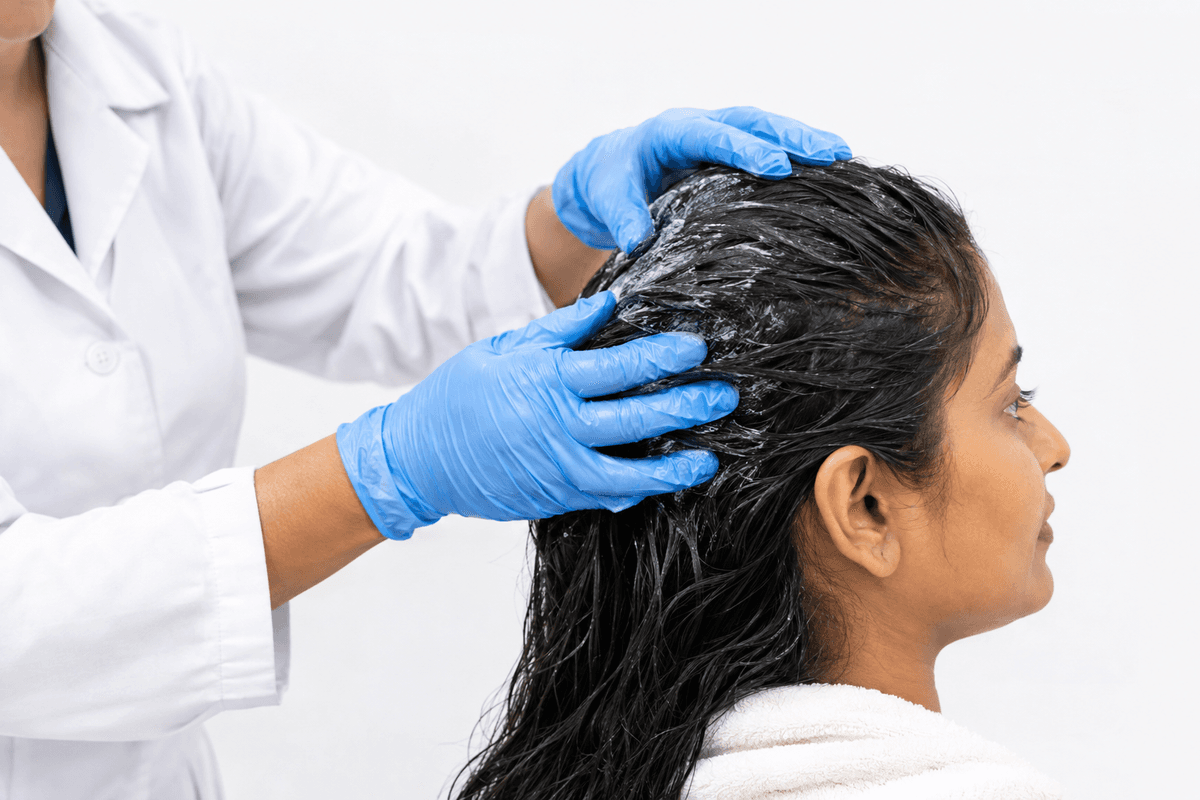
Performed by Dr. Ramanjanyalu at Dr Rams Skin Remediez
Dandruff treatment involves the use of medicated shampoos, topical solutions, and sometimes oral medications to control scalp flaking, itching, and irritation. The approach depends on the underlying cause—whether it's seborrheic dermatitis, fungal overgrowth, or dry skin—and is tailored to each person's condition after a clinical assessment.
We believe in honest, upfront disclosure so you can make an informed decision.
A step-by-step look at what happens during this procedure.
The dermatologist examines your scalp to identify the type and severity of flaking, any redness, oiliness, or signs of infection or inflammation.
Dandruff can result from seborrheic dermatitis, fungal overgrowth (Malassezia), psoriasis, eczema, or simple dry skin. The correct diagnosis guides the treatment choice.
Treatment may include medicated shampoos containing antifungals, keratolytics, or anti-inflammatory agents. In some cases, topical steroids or oral antifungals are prescribed.
You are instructed on how often to use the medicated products, how long to leave them on the scalp, and when to expect visible improvement.
Dandruff often requires ongoing maintenance. Follow-up visits help adjust the regimen and prevent recurrence once the acute phase is controlled.
A structured, patient-first approach from first consultation to full recovery.
Dr Rams Skin Remediez conducts a detailed examination to distinguish dandruff from other scalp conditions and identify contributing factors like sebum production or microbial imbalance.
A combination of medicated shampoos, topical treatments, and lifestyle advice is tailored to your scalp type and the severity of flaking.
You receive step-by-step guidance on how to use each product, including contact time and frequency, to maximise benefit and minimise irritation.
The clinic monitors your progress through follow-up visits and adjusts the treatment as needed to maintain a healthy, flake-free scalp.
What to expect at each stage of your recovery journey.
The first few weeks involve daily or frequent use of medicated products. You may notice initial dryness or slight irritation as the scalp adjusts. Itching typically improves before flaking does.
Flaking and redness subside gradually. You may be advised to reduce the frequency of medicated washes and introduce maintenance products. Individual response varies.
Once the scalp is stable, you continue with periodic use of medicated shampoos or gentle maintenance products to prevent recurrence. Long-term adherence is often needed, as dandruff can return.
Most people experience a significant decrease in white or yellow scales on the scalp and shoulders with appropriate treatment. Complete elimination may not always be permanent.
Medicated therapy typically reduces scalp itching and irritation. However, some degree of sensitivity may persist if there is an underlying inflammatory condition.
Treatment helps restore the balance of oils and microbes on the scalp, reducing redness and inflammation. Ongoing care is usually needed to maintain this improvement.
Dandruff caused by seborrheic dermatitis or psoriasis is a chronic condition. Treatment controls symptoms but does not cure the underlying tendency, so maintenance is important.
The right choice depends on your diagnosis, risks and circumstances — discussed with you at your consultation.
Products containing zinc pyrithione, selenium sulfide, or ketoconazole may be tried first for mild dandruff. If they do not work after several weeks, a clinical assessment is recommended.
Some people try natural oils, tea tree oil, or aloe vera. These may soothe the scalp but are usually less effective than medicated treatments for persistent or moderate-to-severe dandruff.
If dandruff is part of a broader condition like psoriasis or eczema, treating the underlying disease with systemic or biologic therapies may improve scalp symptoms. Choice depends on diagnosis and severity.
Let's clear up some of the most common myths about dandruff treatment.
Get a personalised assessment from an experienced specialist. Understand your options, ask your questions, and decide with confidence.