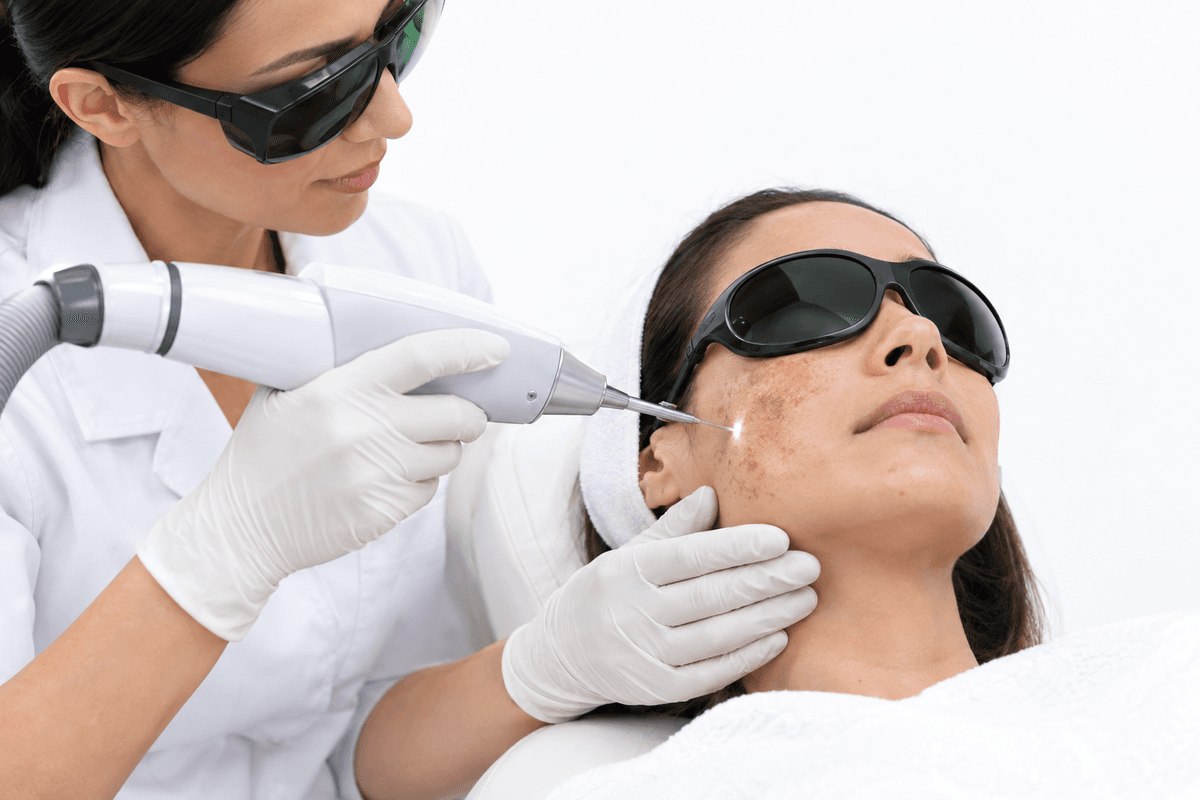
Performed by Dr. Ramanjanyalu at Dr Rams Skin Remediez
Pigmentation treatment aims to reduce dark spots, patches and uneven skin tone caused by sun exposure, hormones, inflammation or aging. The approach depends on the type and depth of pigmentation, skin type and underlying cause. Dr Ramanjanyalu assesses each case individually to recommend appropriate options, which may include topical agents, chemical peels or laser-based therapies.
We believe in honest, upfront disclosure so you can make an informed decision.
A step-by-step look at what happens during this procedure.
The dermatologist examines the pigmentation, identifies the type and depth, and reviews skin type, medical history and any triggering factors such as sun exposure or hormones.
Based on the assessment, one or more modalities are chosen. Options may include topical lightening agents, chemical peels that exfoliate pigmented layers, or laser and light therapies that target melanin.
For topical therapy, products are applied at home as directed. For in-office treatments such as peels or lasers, the skin is cleansed, and the agent or device is applied to the affected areas.
The treated skin may appear red or darken briefly before lightening. Sun protection, gentle cleansing and prescribed aftercare products are essential to support healing and prevent recurrence.
Many pigmentation concerns require multiple sessions spaced weeks apart. Progress is monitored, and the plan is adjusted based on individual response and any side effects.
A structured, patient-first approach from first consultation to full recovery.
Dr Rams Skin Remediez conducts a detailed examination to classify the pigmentation, assess skin phototype and identify contributing factors before recommending any intervention.
Treatment is tailored to the patient's skin type, pigment depth and lifestyle. The plan may combine topical therapy with office-based procedures, and timelines are discussed clearly.
For chemical peels and laser treatments, strict protocols are followed to minimise risk of burns, irritation or paradoxical darkening, with settings adjusted for individual skin.
Patients are followed through the treatment course. Any adverse reactions are addressed promptly, and maintenance recommendations are provided to help sustain results and prevent new pigmentation.
What to expect at each stage of your recovery journey.
Treated areas may appear pink, feel tight or start to flake. Gentle cleansing, fragrance-free moisturisers and strict sun avoidance are important. Makeup is usually avoided until the skin settles.
Redness fades and any crusting resolves. The skin may still be sensitive. Sunscreen must be applied daily, and activities that cause excessive sweating or sun exposure should be limited.
Long-term sun protection, gentle skincare and periodic follow-up help sustain improvement. Pigmentation can recur with UV exposure or hormonal changes, so preventive measures remain essential.
Many patients notice a reduction in the intensity and size of pigmented areas over several weeks to months. Results depend on the type and depth of pigmentation, skin type and adherence to aftercare.
Treatment can help create a more uniform complexion by reducing contrast between pigmented and normal skin. Complete clearance is not always achievable, especially for deep dermal pigment.
Pigmentation may return if the underlying trigger—such as sun exposure, hormonal fluctuations or inflammation—is not controlled. Maintenance therapy and sun protection are often necessary.
Some types of pigmentation, such as melasma, are notoriously stubborn and may respond slowly or incompletely. Darker skin types carry a higher risk of post-treatment pigment changes.
The right choice depends on your diagnosis, risks and circumstances — discussed with you at your consultation.
Creams containing ingredients such as hydroquinone, kojic acid or retinoids may be tried as first-line therapy for mild pigmentation. They are slower but carry less risk of irritation than office procedures.
For pigmentation that does not cause symptoms or significant cosmetic concern, diligent sun avoidance and broad-spectrum sunscreen may be sufficient. Some pigmentation fades gradually on its own over time.
When pigmentation is linked to an underlying condition such as a hormonal disorder or nutritional deficiency, addressing the root cause may reduce new pigment formation. This option is considered based on clinical findings.
Let's clear up some of the most common myths about pigmentation treatment.
Get a personalised assessment from an experienced specialist. Understand your options, ask your questions, and decide with confidence.