Treated by Dr. Ramanjanyalu at Dr Rams Skin Remediez
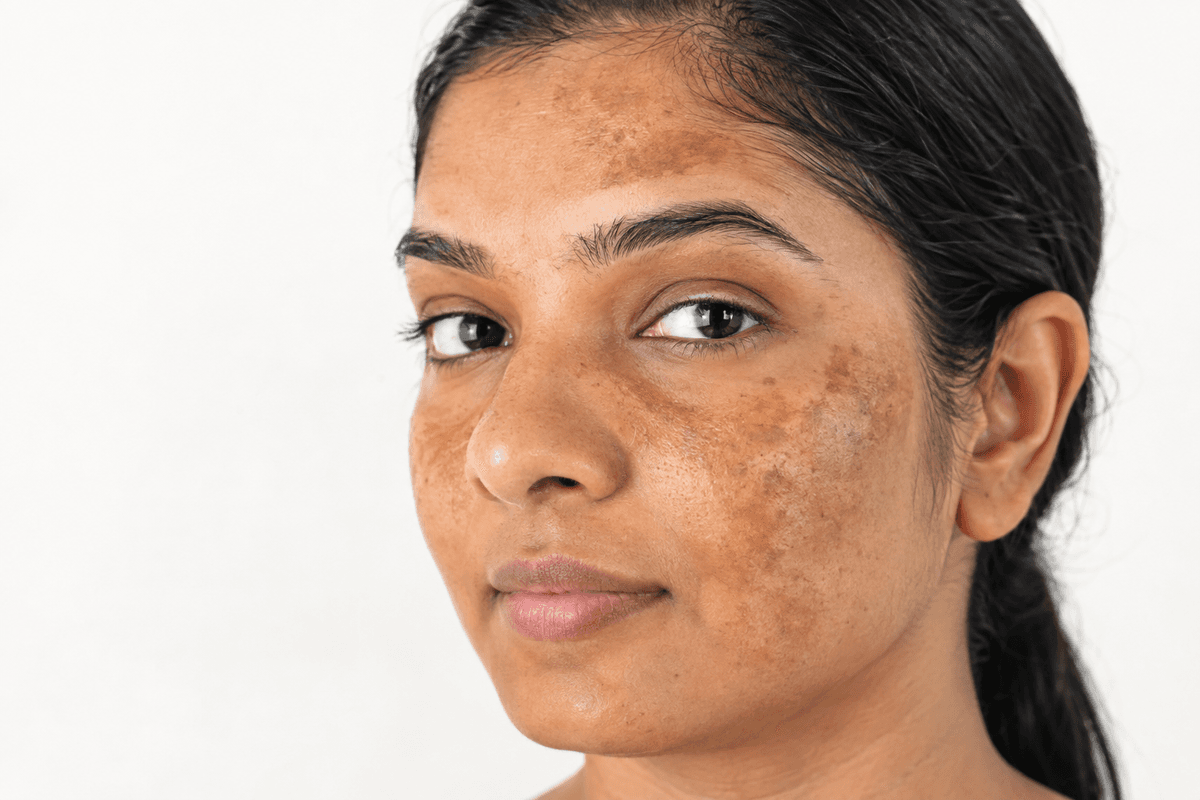
Pigmentation disorders in Bengaluru affect people of all ages, causing dark patches, uneven skin tone, and discoloration due to excess melanin production. These conditions range from melasma and post-inflammatory hyperpigmentation to age spots and freckles. Dr Ramanjanyalu at Dr Rams Skin Remediez offers advanced dermatological treatments to restore even skin tone and confidence.
Brown or gray-brown patches typically appearing on the face, especially cheeks, forehead, nose, and upper lip. Common in women, often triggered by hormonal changes, sun exposure, and pregnancy.
Dark spots that develop after skin injury, acne, eczema, or other inflammatory conditions. The affected areas produce excess melanin during the healing process, leaving darker patches that can persist for months.
Age spots or sun spots appearing as flat, brown lesions on sun-exposed areas including face, hands, shoulders, and arms. Result from cumulative UV exposure over years and increase with age.
Multiple factors can contribute to the development and progression of this condition.
Pigmentation develops gradually. Recognising symptoms early gives you more treatment options.
From conservative to surgical — we always start with the least invasive option first.
A structured, patient-first approach from first visit to full recovery.
Dr Ramanjanyalu conducts detailed examination using Wood's lamp and dermoscopy to determine pigmentation depth, type, and underlying causes. We evaluate skin type, medical history, hormonal factors, and lifestyle habits to create a personalized treatment roadmap.
Based on assessment findings, Dr Rams Skin Remediez designs a tailored treatment plan combining appropriate modalities such as chemical peels, laser therapy, and medical-grade topicals. We consider skin sensitivity, pigmentation severity, and desired outcomes to optimize results.
Our clinic utilizes state-of-the-art technology and evidence-based protocols to deliver treatments safely and effectively. Dr Ramanjanyalu personally oversees all procedures, ensuring proper technique, optimal settings, and patient comfort throughout the treatment journey.
We schedule regular follow-up appointments to track progress, adjust treatment protocols as needed, and provide comprehensive sun protection guidance. Dr Rams Skin Remediez emphasizes long-term maintenance strategies including proper skincare, photoprotection, and periodic touch-up treatments.
What to expect at each phase of recovery.
First 1-3 days involve mild redness, sensitivity, or flaking depending on treatment type. Patients follow gentle cleansing routines, apply prescribed ointments, and avoid sun exposure while skin begins healing process.
Days 4-14 show visible peeling or crusting as pigmented layers shed. Skin gradually reveals brighter undertones as cellular turnover accelerates. Strict sun protection and moisturization are essential during this critical period.
Weeks 2-12 demonstrate progressive lightening of pigmentation as treatments take full effect. Continued use of prescribed skincare, religious sun protection, and scheduled follow-up treatments ensure sustained improvement and prevent recurrence.
Most patients experience 50-80% lightening of dark spots and patches within 3-6 months of consistent treatment, with noticeable improvement visible after initial sessions.
Treatments successfully reduce contrast between pigmented and normal skin areas, creating uniform complexion and improved skin texture across treated regions.
Beyond pigment reduction, patients notice improved overall skin quality with better luminosity, smoother texture, and healthier appearance due to collagen stimulation and cellular renewal.
Successful pigmentation treatment dramatically improves quality of life, with patients reporting increased confidence in social and professional settings and reduced need for heavy makeup coverage.
Untreated pigmentation disorders typically persist and may worsen with continued sun exposure, hormonal fluctuations, or aging. While not medically dangerous, progressive pigmentation can significantly impact self-esteem and quality of life. Some forms like melasma may deepen over time, becoming more resistant to treatment and requiring more aggressive interventions for improvement.
Consult Dr Ramanjanyalu if you notice new or changing dark patches, especially those appearing suddenly or growing rapidly. Seek immediate evaluation for pigmentation accompanied by itching, bleeding, irregular borders, or raised texture, as these may indicate underlying conditions requiring medical attention. Early intervention yields better treatment outcomes and prevents progression of pigmentation concerns.
Early treatment means more options and better outcomes. Book a consultation to understand your condition and explore the right path forward.