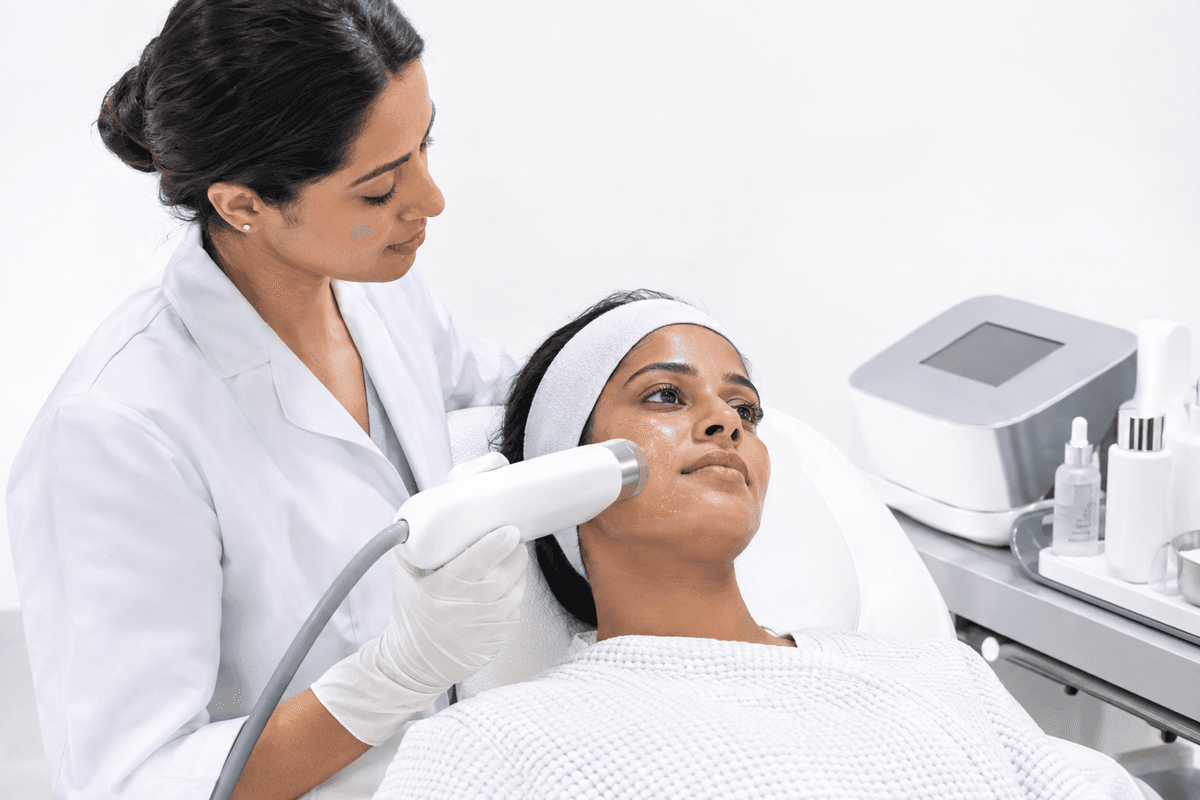
Performed by Dr. Ramanjanyalu at Dr Rams Skin Remediez
Skin lightening refers to dermatological treatments aimed at reducing the appearance of hyperpigmentation, dark spots, and uneven skin tone. These procedures use various techniques—including topical agents, chemical peels, or laser therapy—to help lighten areas of darker pigmentation. At Dr Rams Skin Remediez in Kasturi Nagar, Dr Ramanjanyalu assesses each patient individually to determine the most appropriate approach based on the type and cause of pigmentation.
We believe in honest, upfront disclosure so you can make an informed decision.
A step-by-step look at what happens during this procedure.
The dermatologist examines your skin type, the extent and cause of pigmentation, and your medical history to determine the best treatment approach.
Depending on your condition, options may include topical depigmenting agents, chemical peels that exfoliate darkened layers, or laser therapy that targets melanin.
The chosen method is applied to the affected areas. Topical agents are prescribed for home use, while peels and lasers are performed in the clinic.
The treatment works by inhibiting melanin production, removing pigmented skin layers, or breaking down excess melanin deposits, depending on the technique used.
Over subsequent weeks, treated skin heals and new skin with more even tone gradually appears. Multiple sessions are often needed for optimal results.
A structured, patient-first approach from first consultation to full recovery.
Dr Ramanjanyalu conducts a detailed skin analysis to understand the type and depth of pigmentation and discusses realistic goals and treatment options with you.
A customised plan is developed, which may combine topical therapies, in-office peels, or laser sessions, tailored to your skin type and pigmentation pattern.
Treatments are performed in a controlled environment with attention to safety, comfort, and minimising adverse effects. Post-treatment care instructions are provided.
Regular follow-up appointments track your progress, adjust the treatment plan if needed, and address any side effects or concerns that arise during the course.
What to expect at each stage of your recovery journey.
Skin may appear red, feel sensitive, or show mild swelling immediately after the procedure. These effects typically subside within a few hours to a couple of days. Avoid sun exposure and follow the skincare regimen provided.
Over the first week, treated areas may peel or flake as the skin renews. Continue gentle cleansing, moisturising, and strict sun protection. Avoid harsh products and do not pick at peeling skin.
Gradual lightening of pigmentation occurs over weeks to months. Multiple treatment cycles are often required. Adherence to sun protection and maintenance skincare is essential to sustain results and prevent recurrence.
Many patients notice a lightening of dark spots and a more even skin tone after a series of treatments. The degree of improvement varies widely depending on the cause, depth, and extent of pigmentation.
Skin lightening does not change your natural skin colour and cannot address pigmentation caused by ongoing sun exposure or hormonal changes without continued management. Some types of pigmentation are resistant to treatment.
Results are not permanent; pigmentation can recur if triggers such as sun exposure or hormonal fluctuations are not controlled. Long-term sun protection and periodic maintenance treatments are often necessary.
Response to treatment depends on skin type, pigmentation depth, adherence to care instructions, and underlying causes. Some individuals may experience minimal change or require prolonged treatment courses.
The right choice depends on your diagnosis, risks and circumstances — discussed with you at your consultation.
Prescription creams containing agents that inhibit melanin production may be tried first for mild pigmentation. They require consistent, long-term use and sun protection. Suitable when in-office procedures are not desired or necessary.
Strict daily sunscreen use, protective clothing, and avoidance of known triggers can prevent worsening and, in some cases, allow gradual fading of pigmentation without active treatment. This approach is always foundational, whether or not other treatments are used.
Some individuals choose to live with their pigmentation and use makeup or cosmetic products to conceal areas of concern. This avoids treatment risks and costs, and may be appropriate when pigmentation does not affect health.
Let's clear up some of the most common myths about skin lightening.
Get a personalised assessment from an experienced specialist. Understand your options, ask your questions, and decide with confidence.